Dive into the realm of fire resistant siding materials with this detailed guide that unveils the key aspects of different materials, installation guidelines, environmental impact, and cost considerations. This introduction sets the stage for an informative journey that sheds light on the importance of choosing the right siding for safety and durability.
In the following paragraphs, we will delve deeper into the various types of fire resistant siding materials, their installation and maintenance requirements, as well as their environmental implications and cost factors.
Types of Fire-Resistant Siding Materials
When it comes to protecting your home from fire hazards, choosing the right siding material is crucial. There are several types of fire-resistant siding materials available in the market, each with its unique features and benefits.
Fiber Cement Siding
Fiber cement siding is a popular choice for its excellent fire resistance. Made from a mixture of cement, sand, and cellulose fibers, this material is highly durable and can withstand extreme temperatures. Fiber cement siding is also low maintenance and has a long lifespan, making it a cost-effective option for homeowners.
Metal Siding
Metal siding, such as steel or aluminum, is another fire-resistant option for homeowners. Metal siding is non-combustible and can help prevent the spread of fire in case of emergencies. While metal siding may be more expensive upfront, it is known for its longevity and minimal maintenance requirements.
Engineered Wood Siding
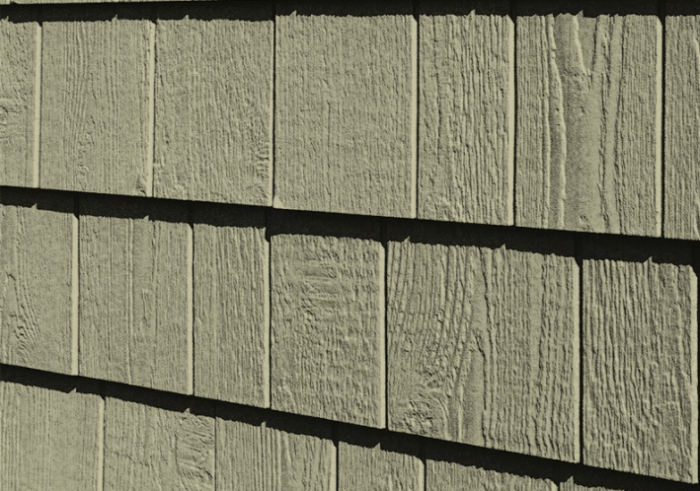
Engineered wood siding offers a balance of affordability and fire resistance. This type of siding is made from wood fibers and resin, providing a natural look while still being resistant to fire. Engineered wood siding is easy to install and maintain, making it a popular choice for many homeowners.By comparing the fire resistance ratings of materials like fiber cement, metal, and engineered wood siding, homeowners can make an informed decision based on their budget, maintenance preferences, and overall safety concerns.
Installation and Maintenance Guidelines
When it comes to fire-resistant siding materials, proper installation and regular maintenance are crucial to ensure their effectiveness in protecting your home from fire hazards.
Installation Steps
- Start by preparing the surface where the siding will be installed, ensuring it is clean and free of debris.
- Follow the manufacturer's instructions carefully for the specific type of fire-resistant siding you are using.
- Secure the siding panels or tiles according to the recommended installation method, making sure they are properly aligned and fastened.
- Seal all joints and edges to prevent any gaps where flames could potentially enter.
- Inspect the installation to ensure everything is securely in place and that there are no areas susceptible to fire penetration.
Importance of Maintenance
Regular maintenance of fire-resistant siding is essential to preserve its fire-retardant properties and prolong its lifespan. Without proper upkeep, the siding may become less effective in protecting your home from fire damage.
Cleaning and Repair
- Regularly clean the siding using a mild detergent and water to remove dirt, debris, and any potential fire hazards.
- Avoid using abrasive cleaners or tools that could damage the fire-resistant surface of the siding.
- Inspect the siding for any signs of damage, such as cracks or charring, and repair them promptly to maintain the integrity of the fire-resistant barrier.
- Consider reapplying a fire-retardant coating or sealant as needed to ensure the siding continues to provide maximum protection against fire.
Environmental Impact and Sustainability
When considering fire-resistant siding materials, it is essential to evaluate their environmental impact and sustainability. The choices we make can significantly affect the planet, so understanding these aspects is crucial.
Recycled Materials
Using recycled materials for siding, such as recycled metal or fiber cement, can have a positive impact on the environment. By repurposing materials that would otherwise end up in landfills, we reduce waste and lower the demand for new resources.
Eco-Friendly Attributes
- Fiber Cement: Fiber cement siding is made from a mixture of cement, sand, and cellulose fibers. It is durable, low maintenance, and resistant to fire, insects, and rot. The production process of fiber cement can vary in terms of sustainability, depending on the manufacturer and their practices.
- Recycled Metal: Siding made from recycled metal, such as aluminum or steel, is another eco-friendly option. Metal siding is long-lasting, recyclable, and can be energy-efficient when properly insulated. It is crucial to consider the energy used in the production of metal siding and the environmental impact of mining and refining the raw materials.
- Wood Composite: Wood composite siding is a blend of wood fibers and resin, offering a natural look with enhanced durability. While wood composite can be a sustainable choice if sourced from responsibly managed forests, it may require more maintenance compared to other fire-resistant options.
Cost Considerations and Budgeting
When it comes to choosing and installing fire-resistant siding materials, there are several cost factors to consider. The initial cost of the materials, installation expenses, maintenance requirements, and long-term durability all play a role in determining the overall cost of the project.
Breakdown of Cost Factors
Here is a breakdown of the cost factors involved in choosing and installing fire-resistant siding materials:
- The cost of the siding materials themselves, which can vary depending on the type of material chosen (such as fiber cement, metal, or fire-resistant treated wood).
- Labor costs for installation, including the complexity of the siding design and the size of the project.
- Additional materials and tools required for installation, such as fasteners, sealants, and flashing.
- Maintenance costs over time, including any necessary repairs or treatments to maintain the fire-resistant properties of the siding.
Tips on Budgeting for Siding Projects
Here are some tips on budgeting for siding projects and cost-effective alternatives:
- Get multiple quotes from different contractors to compare prices and services.
- Consider the long-term savings of investing in fire-resistant siding, as it may require less maintenance and have a longer lifespan than traditional materials.
- Explore financing options or payment plans to help manage the upfront costs of the project.
- Look for discounts or promotions on materials or installation services to reduce overall expenses.
Comparing Initial Costs to Long-Term Savings
While the initial cost of fire-resistant siding materials may be higher than traditional siding options, it is essential to consider the long-term savings and benefits. Fire-resistant siding can provide added protection to your home, potentially reducing insurance costs and increasing property value.
Additionally, the durability and low maintenance requirements of fire-resistant siding can result in cost savings over time, making it a worthwhile investment for homeowners looking to prioritize safety and longevity.
Final Review
As we conclude our exploration of fire resistant siding materials, it becomes evident that making an informed choice can significantly impact the safety and longevity of your property. By understanding the nuances of different materials and their implications, you are better equipped to enhance the resilience of your home or building.
User Queries
What are the key benefits of fire-resistant siding materials?
Fire-resistant siding materials offer enhanced safety and protection against potential fire hazards, making them an ideal choice for areas prone to wildfires or other fire risks.
How do I maintain fire-resistant siding materials?
Regular cleaning and inspections are crucial to ensure the effectiveness of fire-resistant siding. Follow manufacturer guidelines for maintenance and promptly address any damages to maintain its fire-retardant properties.
Are fire-resistant siding materials environmentally friendly?
Many fire-resistant siding materials like fiber cement are eco-friendly and sustainable options that contribute to a greener environment. Consider materials made from recycled content for a more environmentally conscious choice.