Exploring the realm of exterior motion detection systems for home insurance, this introduction sets the stage for a detailed examination of how these systems play a crucial role in safeguarding homes and impacting insurance coverage. From understanding the workings of these systems to their benefits, this overview aims to provide valuable insights for homeowners seeking to bolster their security measures.
Overview of Exterior Motion Detection Systems
Exterior motion detection systems play a crucial role in enhancing home security by detecting any movement outside homes and alerting homeowners of potential threats. These systems are designed to provide an extra layer of protection and peace of mind for homeowners.
Purpose of Exterior Motion Detection Systems
Exterior motion detection systems work by using sensors to detect any motion or movement within their range. When the sensors are triggered, the system sends an alert to the homeowner, either through a notification on their smartphone or an alarm, depending on the type of system installed.
- These systems help deter potential intruders by detecting any suspicious activity outside the home.
- They can also be used to trigger outdoor lights, making it easier for homeowners to see any potential threats during the night.
- Exterior motion detection systems can provide valuable evidence in case of a break-in or burglary, as they record any motion detected outside the home.
Benefits of Installing Exterior Motion Detection Systems
Installing exterior motion detection systems offers several benefits for homeowners, including:
- Enhanced security and peace of mind knowing that any motion outside the home will be detected and alerted.
- Increased convenience with the ability to monitor the perimeter of the home remotely through a smartphone or computer.
- Potential savings on home insurance premiums, as many insurance companies offer discounts for homes with security systems installed.
Importance of Exterior Motion Detection Systems for Home Insurance
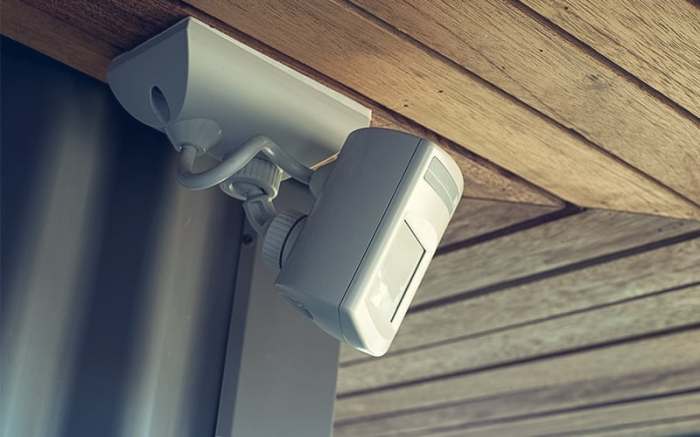
Exterior motion detection systems play a crucial role in home insurance as they can impact insurance premiums and reduce the risk of theft and vandalism.
Impact on Home Insurance Premiums
Exterior motion detection systems can lead to lower home insurance premiums as they are considered a security measure that reduces the risk of break-ins. Insurance companies often offer discounts to homeowners who have these systems installed, as they are seen as proactive in safeguarding their property.
Preventing Theft and Vandalism
These systems act as a deterrent to potential burglars and vandals, decreasing the likelihood of incidents that would result in insurance claims. By detecting any suspicious activity outside the home, they provide an added layer of security that can help prevent costly losses and damage.
View of Insurance Companies
Insurance companies generally view homes equipped with exterior motion detection systems more favorably, as they are seen as lower risk properties. This positive perception can result in lower insurance premiums, as the likelihood of filing a claim due to theft or vandalism is reduced with the presence of these systems.
Installation and Maintenance of Exterior Motion Detection Systems
Installing and maintaining exterior motion detection systems is crucial to ensure the security of your property. Proper installation and regular maintenance are key to maximizing the effectiveness of these systems. Here is a step-by-step guide on installing an exterior motion detection system and best practices for maintenance.
Installation of Exterior Motion Detection Systems
- Choose the right location: Select strategic spots around your property where the motion detection sensors will have a clear view.
- Mounting the sensors: Follow the manufacturer's instructions to securely mount the sensors at the desired locations.
- Connect the system: Carefully connect all the components of the system according to the provided guidelines.
- Test the system: After installation, test the system to ensure all sensors are working correctly and detecting motion effectively.
Maintenance of Exterior Motion Detection Systems
- Regular inspections: Periodically check the sensors, wiring, and batteries to ensure everything is in working order.
- Clean the sensors: Keep the sensors clean from dirt, debris, and any obstructions that may interfere with their functionality.
- Replace batteries: If your system uses batteries, make sure to replace them as needed to maintain optimal performance.
- Update software: If your system has software updates available, make sure to install them to enhance security features.
Troubleshooting Common Issues
- Interference: Check for any sources of interference such as nearby electronics or lighting that may disrupt the sensor signals.
- Adjust sensor settings: Fine-tune the sensitivity and range settings of the sensors to reduce false alarms and improve detection accuracy.
- Check power source: Ensure the system is receiving an adequate power supply and that all connections are secure.
- Consult the manual: If you encounter persistent issues, refer to the system manual or contact the manufacturer for troubleshooting assistance.
Comparison of Different Types of Exterior Motion Detection Systems
When it comes to choosing an exterior motion detection system for your home, there are several options to consider. From wired to wireless systems, and different types of sensors like infrared, microwave, and dual-technology sensors, each has its own advantages and disadvantages.
Additionally, smart exterior motion detection systems offer advanced features that can enhance security and convenience.
Wired vs. Wireless Exterior Motion Detection Systems
- Wired systems: These systems are typically more reliable and less prone to interference compared to wireless systems. However, installation can be more complex and may require professional help. Wired systems also tend to be more expensive upfront.
- Wireless systems: Wireless systems are easier to install and can be more flexible in terms of placement. They are generally more affordable and can be a good option for DIY installation. However, wireless systems may be susceptible to interference and signal loss.
Infrared, Microwave, and Dual-Technology Sensors
- Infrared sensors: These sensors detect heat and movement, making them suitable for detecting human activity. They are cost-effective and work well in outdoor environments. However, they can be triggered by pets or other moving objects.
- Microwave sensors: Microwave sensors emit microwaves to detect motion and are not affected by temperature changes. They are less prone to false alarms but can be more expensive and complex to install.
- Dual-technology sensors: These sensors combine both infrared and microwave technologies for more reliable detection. They are less likely to be triggered by false alarms and can provide a higher level of security. However, they are typically more expensive than single-technology sensors.
Smart Exterior Motion Detection Systems
- Features: Smart exterior motion detection systems often come with features like smartphone integration, customizable alerts, and remote monitoring. They may also include advanced analytics for more accurate detection.
- Benefits: These systems offer enhanced security and convenience, allowing homeowners to monitor their property remotely and receive instant notifications of any activity. They can also integrate with other smart home devices for a more comprehensive security system.
Wrap-Up
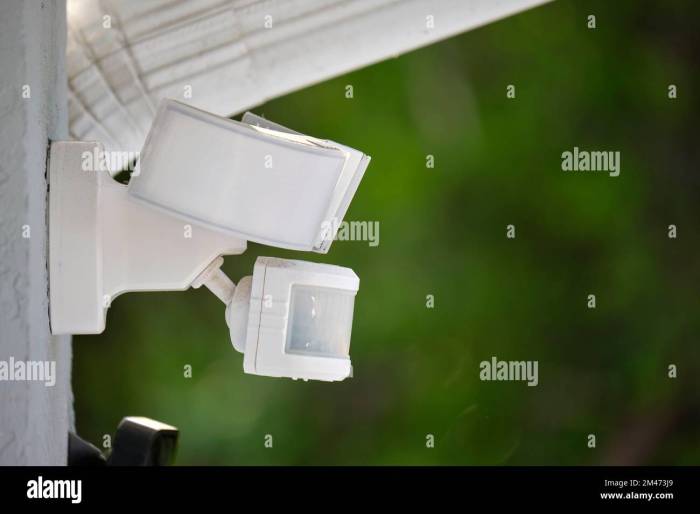
In conclusion, exterior motion detection systems serve as a valuable asset in not only enhancing home security but also influencing insurance premiums. By investing in these systems, homeowners can proactively protect their properties and potentially lower insurance costs. With advancements in technology and a focus on safety, integrating exterior motion detection systems into home security measures is a wise choice for modern homeowners.
Question Bank
How do exterior motion detection systems impact home insurance premiums?
Exterior motion detection systems can potentially lower insurance premiums by reducing the risk of theft and vandalism, making homes less susceptible to claims.
What are the best practices for maintaining exterior motion detection systems?
Regularly check and clean sensors, ensure proper power supply, and update system software to maintain optimal performance.
What are the key differences between wired and wireless exterior motion detection systems?
Wired systems require physical connections for operation, while wireless systems offer more flexibility in installation but may be susceptible to signal interference.
How do insurance companies view homes equipped with exterior motion detection systems?
Insurance companies often offer discounts for homes with these systems installed as they are seen as proactive measures to enhance security and reduce risks.